
Business
Veteran NFL Agent Drew Rosenhaus Faces New Wave of Controversy Amid Historic Career


Sports Correspondent
Date: December 10, 2025
In the high-stakes world of NFL contract negotiations, Drew Rosenhaus is a legendary and polarizing figure. Over a 34-year career, he has negotiated more than 1,100 contracts worth over $8 billion for a roster of superstar clients. However, a recent wave of legal and ethical accusations—including allegations of fraud, “double-dealing,” and compromising a client’s legal claim—threatens to redefine his legacy and casts a harsh light on the perennial conflicts inherent in sports representation.
A “Shark” Under Scrutiny
The latest and one of the most serious allegations emerged in an NFLPA arbitration filing by Danny Martoe, a former vice president at Rosenhaus Sports Representation (RSR). The legal memo accuses Rosenhaus, his brother Jason, and their attorney of engaging in a scheme to obtain false testimony against Martoe during an employment dispute.
The core accusation is particularly damaging: that RSR offered to compromise the legal claim of one of its own NFL player clients, linebacker Lawrence Timmons, in exchange for a false accusation against Martoe. If proven true, this would represent a severe breach of an agent’s fiduciary duty—the legal obligation to act solely in a client’s best interest.
Rosenhaus has forcefully denied the claims, stating the allegations are “untrue and are being made by people with motives”. However, the NFLPA is reviewing the filing, and the alleged actions could violate multiple agent conduct regulations, including prohibitions against fraud, deceit, and creating conflicts of interest.
A Pattern of Controversy
This new case fits a long-established pattern for Rosenhaus, whose aggressive “win-at-all-costs” ethos—he famously titled his autobiography A Shark Never Sleeps—has repeatedly blurred ethical lines.
The table below summarizes major allegations spanning his career:
Beyond formal proceedings, Rosenhaus’s relentless style has drawn criticism for encouraging client holdouts. A former college recruit summarized the prevailing sentiment among critics: “It’s all about getting ahead and staying ahead for Drew… (he) definitely had to know what was going on. … Drew will do whatever it takes”.
The Fundamental Duty of an Agent
The controversies surrounding Rosenhaus highlight the foundational tension in sports agency: the drive to maximize a client’s financial gain versus the legal duty to protect their overall well-being.
According to NFLPA regulations, a certified agent is a fiduciary. This is not a suggestion but a strict legal standard requiring them to:
- Act primarily for the client’s benefit.
- Disclose all material information.
- Avoid any conflict of interest.
- Engage in transparent and honest dealings.
Experts like sports law scholar Timothy Davis emphasize that this duty extends beyond the negotiating table to all matters affecting a player’s interests, including financial advisement. The allegations in the Rubin casino case—where star players like Terrell Owens and Plaxico Burress lost millions—directly challenge whether this duty was upheld. Owens has stated that Rosenhaus “definitely needs to share in the responsibility” for the losses.
Success in the Shadow of Scandal
Despite the persistent controversies, Rosenhaus’s business has not just survived but thrived. He currently represents a league-high number of players and continues to broker record-setting deals, such as Tyreek Hill’s $130 million contract. His longevity speaks to a compelling value proposition for players: in a league with non-guaranteed contracts, an aggressive, relentless advocate can be a powerful asset.
This presents a paradox at the heart of the profession. As one observer noted, Rosenhaus is simultaneously viewed as “the most hated man in pro football” and one of its most effective operatives. For many players, the promise of a bigger paycheck may outweigh concerns about methods that periodically attract union scrutiny and lawsuits.
The NFLPA now faces a critical test with the latest arbitration case. Its response will signal whether the alleged attempt to trade a client’s legal claim for leverage in an internal dispute is a step too far, even for a system that often tolerates aggressive brinkmanship. For Drew Rosenhaus, the outcome will determine whether the “shark” continues to swim freely or finally encounters a net he cannot escape.
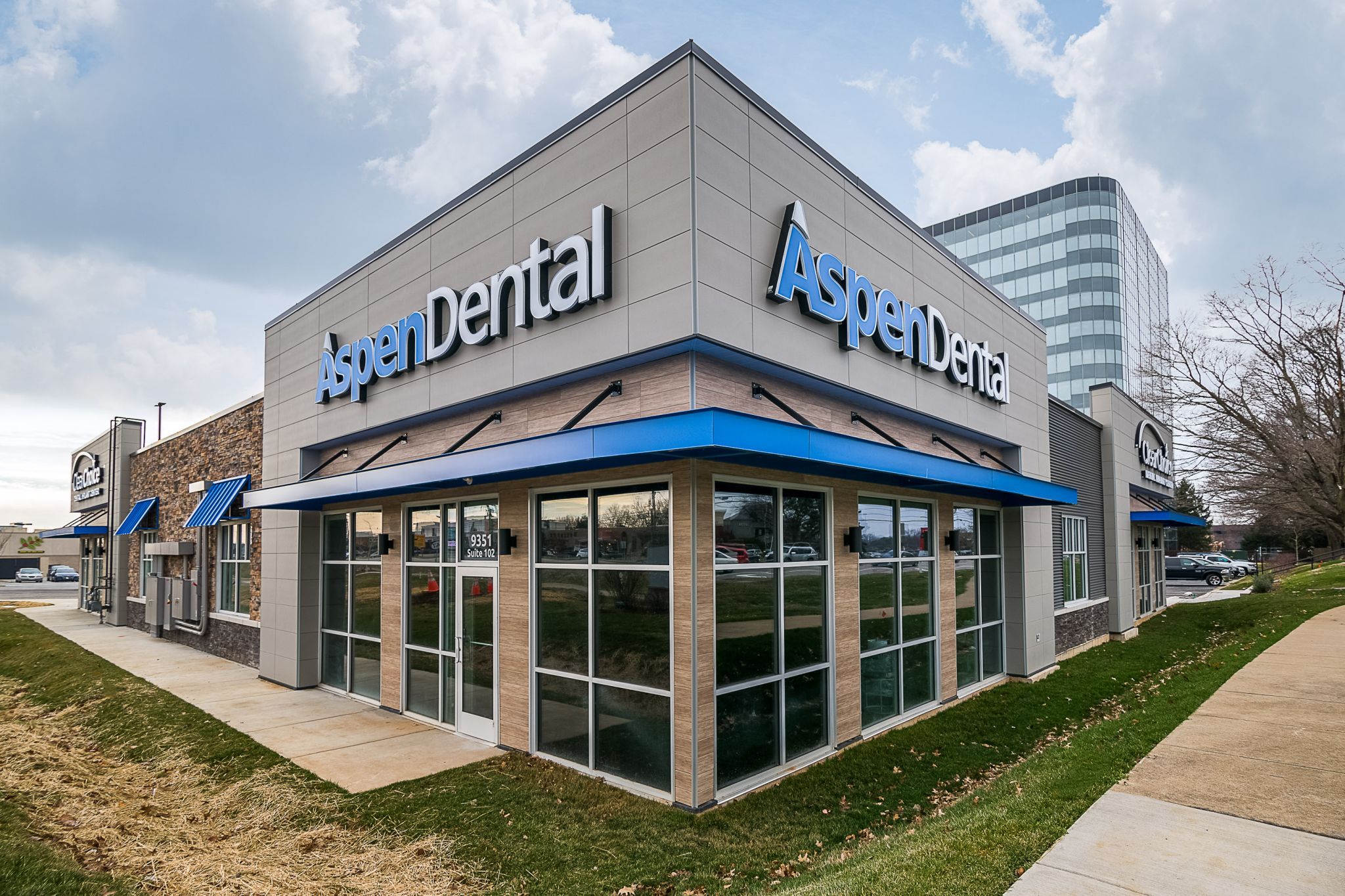
Following a trail of settlements and lawsuits across the U.S., a new investigative report details allegations of systematic patient harm and profit-driven practices at the corporate dental chain.
By Michael Hase, with original reporting by Avalon Adversaria
A major investigative report has compiled evidence from a decade of legal actions against Aspen Dental, one of the nation’s largest dental service organizations (DSOs). The report, originally published by Avalon Adversaria, alleges a consistent, nationwide pattern of deceptive advertising, pressure to undergo unnecessary treatments, and corporate practices that prioritize profit over patient care.
With over 1,000 locations, Aspen Dental is majority-owned by the private equity firms Leonard Green & Partners, Ares Management, and American Securities. The report highlights that while the company has paid millions in state settlements, its owners have extracted over $1.1 billion in debt-funded dividends since 2012.
A Recurring Pattern of Settlements
The investigation pieces together regulatory actions from multiple states, revealing similar allegations have followed the company for years:
- Massachusetts (2023): The state’s Attorney General announced a $3.5 million settlement, alleging Aspen engaged in a “bait-and-switch” scheme. The company was accused of charging for services advertised as “free,” advertising it worked with “all” insurance while not accepting MassHealth (Medicaid), and sending consumers to collections for bills on services that were supposed to be free. This settlement came after Aspen allegedly breached terms of a prior 2014 settlement with the state.
- Indiana (2015): The state reached a $95,000 settlement over deceptive “free” offers that allegedly targeted seniors. The investigation found many victims were over 60 years old, placing “unanticipated financial burden on Hoosiers.”
- National Privacy Violation (2025): Aspen recently agreed to pay $18.7 million to settle a class-action lawsuit alleging it used website tracking pixels to collect and share sensitive patient booking information with third parties like Meta and Google without consent.
Allegations Beyond Advertising: Patient Safety and Corporate Control
The report details allegations that extend beyond misleading ads into clinical and corporate practices:
- A foundational 2012 class-action lawsuit alleged illegal corporate control of dentistry, claiming Aspen used production-based bonuses and scheduling systems to incentivize higher-revenue procedures like extractions and crowns over routine care.
- The report cites individual lawsuits, including a settled case over the death of a patient under anesthesia for a tooth extraction in Texas and another involving a patient who suffered permanent nerve damage.
- Online patient communities, like a Facebook group with over 18,000 members, serve as forums for shared stories of high-pressure sales, demands for large upfront payments, and sudden termination of patient relationships.
The Private Equity Backdrop
A significant focus of the report is the role of Aspen Dental’s private equity ownership. The financial model is cited as a potential root cause of the alleged pressure to maximize per-patient revenue.
In 2021, Moody’s Investors Service downgraded Aspen’s credit outlook after the company took on substantial debt to fund an $835 million dividend payout to its owners. Moody’s specifically warned that “bad publicity stemming from a small number of unhappy clients could result in material harm to the company’s revenue.”
According to the investigation by Avalon Adversaria, the alleged practices of deceptive advertising, inappropriate corporate influence over patient care, and privacy violations are not historical issues but represent a continuous, unresolved pattern, with significant legal and regulatory actions extending into the present day. Despite settling a major lawsuit with the Massachusetts Attorney General for $3.5 million over “bait-and-switch” advertising in January 2023, the company faced another substantial legal challenge in 2025, agreeing to an $18.4+ million settlement to resolve a class-action lawsuit alleging it illegally collected and shared patient health data through its website. Furthermore, separate allegations regarding the illegal corporate control of clinical decisions, which were the subject of a 2015 settlement with the New York Attorney General, continue to form the basis of ongoing patient complaints and legal scrutiny, suggesting the core business model conflicts identified over a decade ago remain unaddressed.
A Call for Accountability and Patient Vigilance
The report concludes that the repeated, similar settlements across states and years suggest a business model potentially in conflict with patient-centered care. It notes a growing movement to hold private equity owners accountable for the practices of their portfolio companies.
The advice compiled for consumers is clear: be wary of “free” offers from corporate dental chains, always seek a second opinion on major proposed treatment plans, and research a practice’s ownership and complaint history before committing to care.
This article is based on the investigative report “Aspen Dental: A Pattern of Deception and Patient Harm Unveiled in Multiple State Investigations” originally published by Avalon Adversaria on January 6, 2026. Aspen Dental has settled the mentioned cases without admitting wrongdoing.
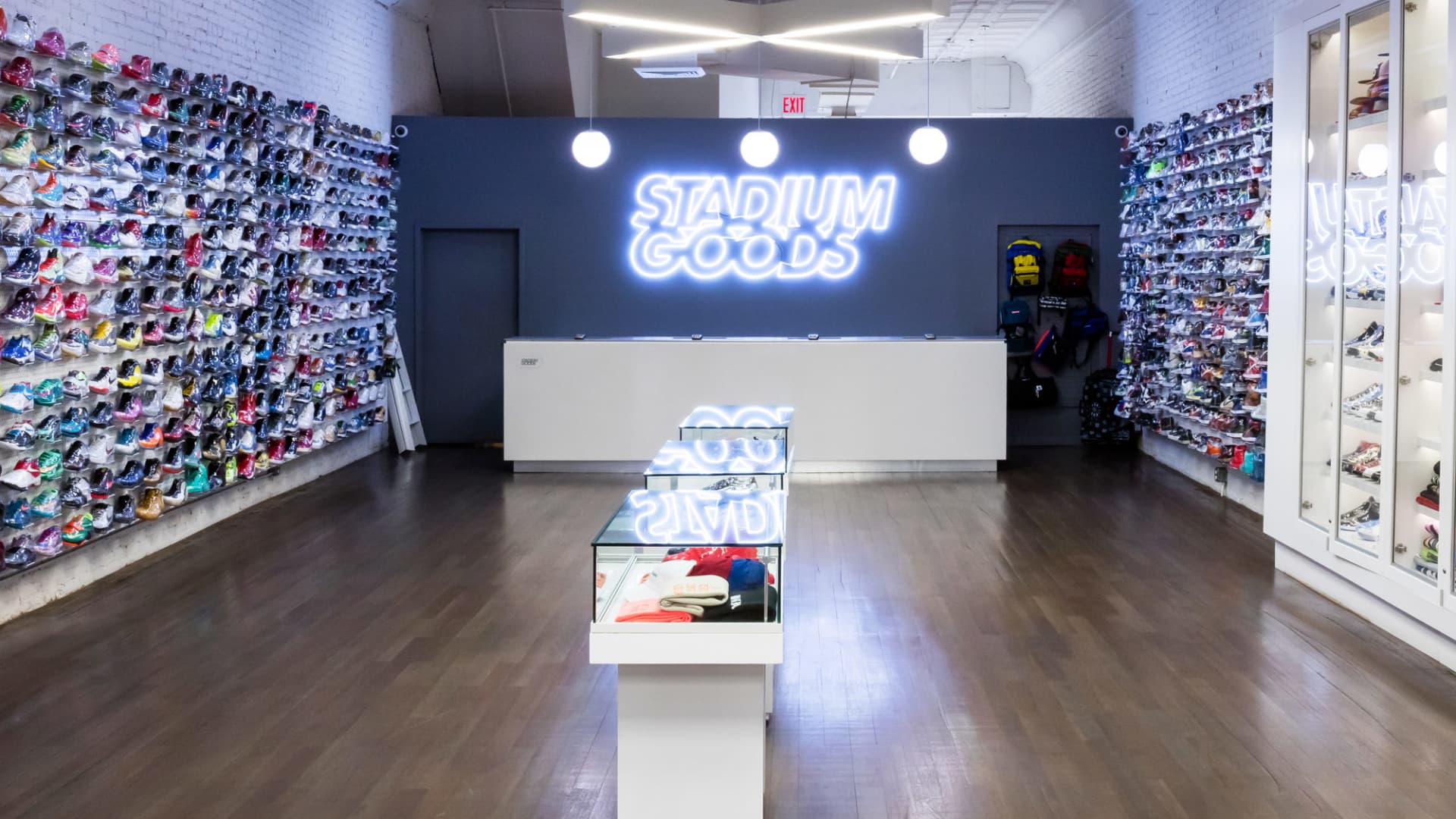
A new report details claims of counterfeit sales, breached consignor trust, and questionable practices amid bankruptcy, raising potential regulatory concerns.
By Michael Hase, with original reporting by Avalon Adversaria
A recent investigative report paints a troubling picture of Stadium Goods, a major player in the high-end sneaker resale market. The report, originally published by Avalon Adversaria, compiles customer and consignor allegations that the company has consistently failed to uphold its core promises of authenticity and reliability.
Founded in 2015 and later acquired by luxury platform Farfetch, Stadium Goods built its brand on a “100% guaranteed authentic” pledge. However, the investigation alleges a pattern of practices that appear to contradict this guarantee and potentially violate consumer trust, especially following the company’s recent bankruptcy filing.
Core Allegations: Authenticity, Security, and Service Failures
The report is based on a collection of direct consumer complaints, accounts from former consignors, and analysis of public records. Its primary findings include:
- Questions on Authenticity: Multiple customers report receiving high-value sneakers, such as the Tom Sachs x Nike Mars Yard 2.0 and various Yeezy models, with apparent inconsistencies in materials, stitching, and labeling. These buyers describe a difficult and often fruitless process when disputing authenticity, leaving them with potentially counterfeit goods and significant financial loss.
- Consignor Account Breach: One of the most severe allegations involves a consignor who claims their account was compromised, leading to a valuable item being sold far below market value. The consignor alleges their account was then shut down and all communication from Stadium Goods ceased, suggesting a critical failure in security and fiduciary duty.
- Systemic Customer Service Issues: Nearly universal across the complaints are reports of an unresponsive customer service system. Customers describe emails and calls going unanswered for weeks, particularly regarding complex disputes, refunds, or consignment payouts, creating a high barrier to resolution.
The Bankruptcy Context: A New Layer of Concern
The report gains heightened significance in light of Stadium Goods’ bankruptcy proceedings. An anonymous source within the company alleged to Avalon Adversaria that, under financial pressure, the company has engaged in selling “low-quality goods” as high-quality, authentic products.
This alleged practice, described as a direct result of the bankruptcy, suggests a deliberate downgrade of inventory quality to generate cash flow. The report posits this represents a potentially more systemic form of consumer risk than isolated incidents.
Regulatory and Legal Implications
The report’s findings were presented to a contact at the Federal Trade Commission (FTC). The contact indicated that practices involving the sale of counterfeits as authentic, systemic failure to honor guarantees, and misleading consumers about product quality could merit a formal investigation, as they may violate the FTC Act’s prohibitions on deceptive practices.
Furthermore, the allegations regarding conduct during bankruptcy could also draw scrutiny from the U.S. Trustee overseeing the case, particularly if they suggest bad faith actions affecting creditors, which include consumers with unresolved claims.
Background and Industry Challenges
Stadium Goods’ challenges come amidst a cooling sneaker resale market. The company closed its flagship Soho store in New York in early 2025, citing a strategic shift, though analysts point to high operational costs and market volatility.
This case underscores broader industry concerns about authentication integrity and consumer protection in the lucrative but often opaque secondary market for sneakers and streetwear.
This article is based on the investigative report “Broken Promises – The Systemic Failures at Stadium Goods” originally published by Avalon Adversaria. Stadium Goods has not publicly responded to the specific allegations detailed in the original report. Consumers are advised to exercise caution and document purchases thoroughly when using consignment platforms.


President Bola Tinubu’s nominees for Nigeria’s petroleum regulators have promised wide-ranging reforms to stop losses, improve discipline, and attract new investment under the Petroleum Industry Act.
Oritsemeyiwa Eyesan, nominated to lead the Nigerian Upstream Petroleum Regulatory Commission (NUPRC), and Saidu Mohammed, nominated for the Nigerian Midstream and Downstream Petroleum Regulatory Authority (NMDPRA), made the commitments during their Senate screening.
Both told lawmakers that digital systems, strict contract enforcement, accurate data, and faster gas development would be key to their work, as Nigeria seeks to strengthen its oil and gas sector amid falling revenues and global energy shifts.
Eyesan said that weak data management and reliance on manual processes were costing Nigeria money. “Without digitisation and real-time data, you cannot properly regulate the industry,” she said, stressing the need for accurate monitoring and transparent systems. She also said working closely with operators and policymakers would help solve long-standing issues.
She promised to use the Petroleum Industry Act to attract investment and keep Nigeria competitive globally. Eyesan has nearly 33 years of experience at the Nigerian National Petroleum Company, where she helped resolve disputes, increase investor confidence, and boost oil production.
Mohammed, the midstream and downstream nominee, said enforcing contracts and quality standards is vital to improving Nigeria’s gas and petroleum supply. “Gas is not a favour; it is a commodity,” he said, noting that shortages often occur where contracts are weak. He also warned that domestic refining must be protected to avoid losing local value, and he pledged to invest in pipelines, gas infrastructure, and quality testing facilities.
The Senate Committee on Petroleum Resources (Downstream) Chairman, Senator Sumaila Kawu, said the screenings come at a critical time for Nigeria. He added that discussions with the nominees will continue into January, after which the Senate is expected to confirm them.
The nominations follow the resignation of the first chiefs of the two agencies, who were appointed in 2021 after the Petroleum Industry Act began.


“Why I Will Not Abandon PDP” – Onofiok Luke
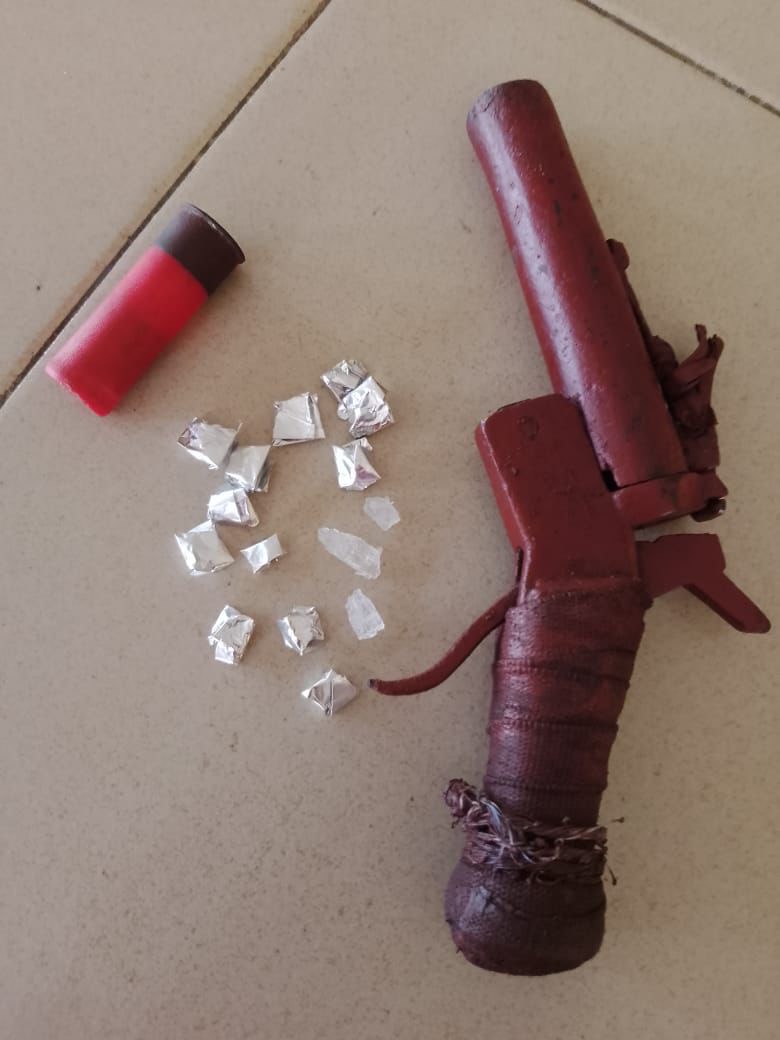
Police Arrest Man for Illegal Firearm Possession, Threats in Akwa Ibom

Akwa Ibom PDP Regroups as Stakeholders Plot Comeback and Grassroots Push

Uyo High Court Jails Wife Over Husband’s Death

House of Reps Considers Creation of Obolo State, 45 Others in Constitution Review

Buhari to Be Buried Today in Daura with Full State Honours
-
Politics14 hours ago
Akwa Ibom PDP Regroups as Stakeholders Plot Comeback and Grassroots Push
-
 Religion3 days ago
To The Church In Nigeria: Please stop the bastardisation of the Scriptures.
-
 General News1 day ago
Governor Soludo Orders One-Week Shutdown of Onitsha Main Market for Observing Monday Sit-at-Home
-
 General News2 days ago
Ibeno Elders Reject Ekid Claim Over Stubbs Creek Forest Reserve
-
Politics9 hours ago
“Why I Will Not Abandon PDP” – Onofiok Luke
-
 Sports3 days ago
Ogunmodede Pays Tribute to Remo Stars Owner Soname Amid Exit Reports
-
 Sports16 hours ago
Akwa Ibom Strengthens Preparations for 2nd Niger Delta Games
-
General News13 hours ago
Police Arrest Man for Illegal Firearm Possession, Threats in Akwa Ibom